LATEST

Explained

The Timeless Value of Gold: Why This Ancient Metal Remains a Safe Haven in Uncertain Times
Explained ·Mar 23, 2026 ·2 min read

The Timeless Value of Gold: Why This Ancient Metal Remains a Safe Haven in Uncertain Times

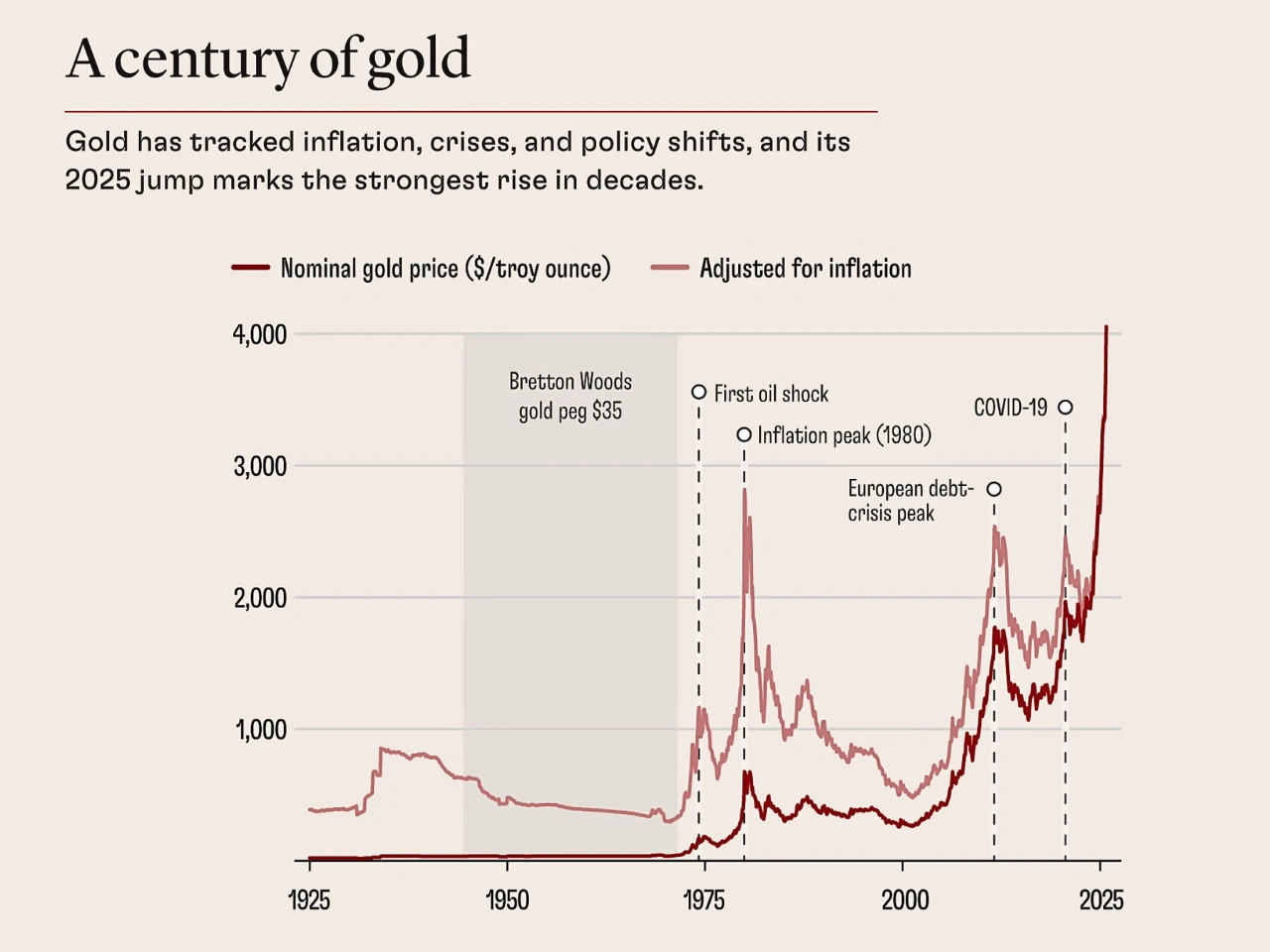
The relevance of the metal in the times of cryptocurrencies, artificial intelligence, and central bank digital currencies might seem confusing. But recent events, such as the phenomenal increase in prices in 2025, prove that the attractiveness of gold is not a phenomenon of the past, but a factor that is being conditioned by timeless economic and psychological laws. This outstanding journey is captured in the chart known as A Century of Gold. The past century has shown the close relation of gold prices to inflation, financial crises, and significant changes in policy. The most notable is the steep increase in 2025, as the highest annual growth in decades, in support of the persistence of gold as a haven of uncertainty.

Read article
Metals Market at a Crossroads: Clean Energy and Digitalization Drive Structural Shift
Explained ·Mar 22, 2026

Metals Market at a Crossroads: Clean Energy and Digitalization Drive Structural Shift

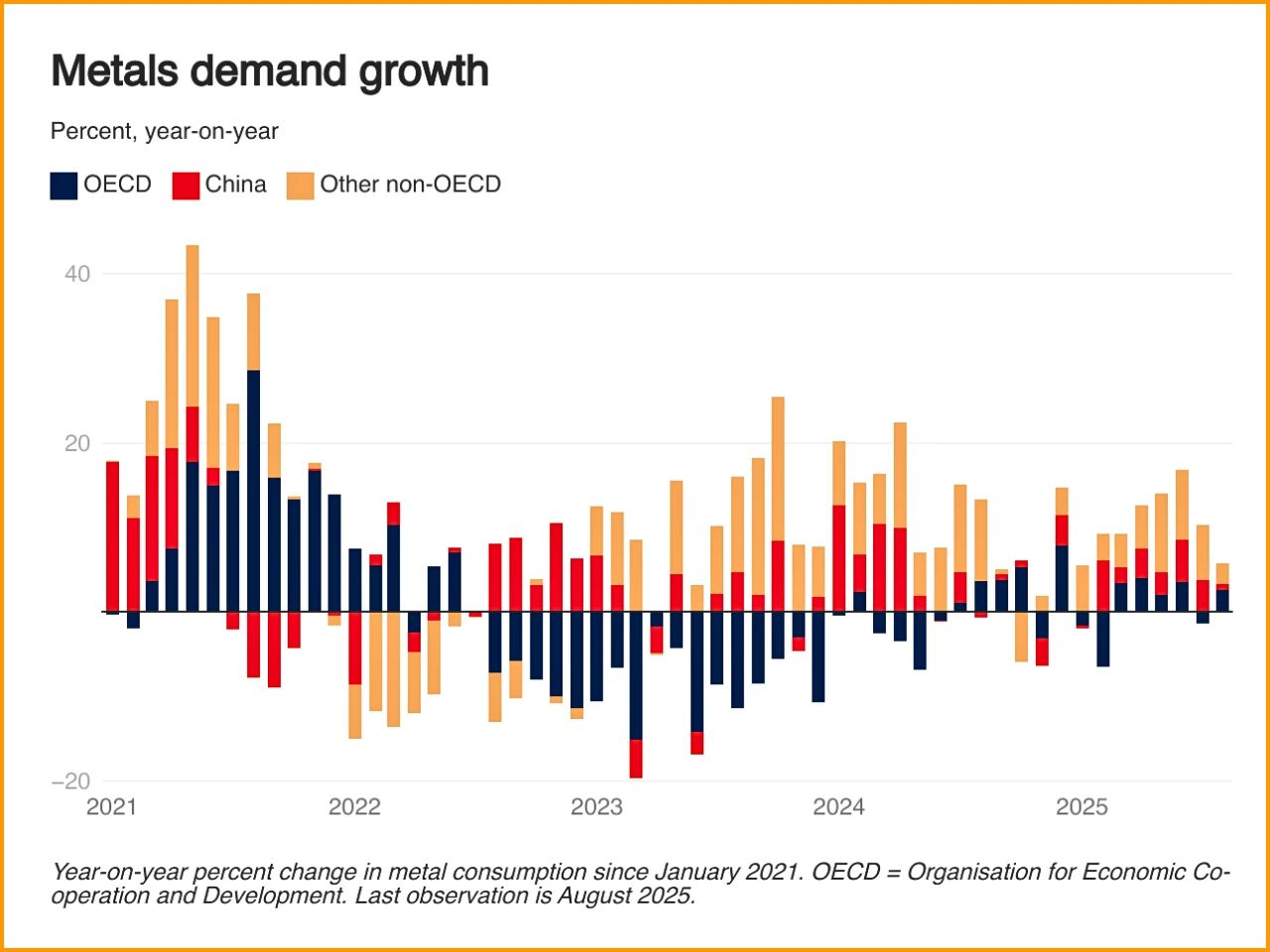
The world metals market is also experiencing a structural shift that is prompted by the rapid pace towards clean energy, electrification, and digital infrastructure. Although the traditional sources of metal are especially construction and real estate, have been weakened in many major economies, especially China, newer sources of growth are the emerging ones. This is changing the structure and resilience of metal demand across the world as renewable energy systems, electricity grids, electric cars, and data centers are being invested in. This trend can be best seen through the fact that the outlook on copper and aluminum, two metals that are the core of electrification and decarbonization, is strengthening.

Global Labor Market in Crisis: 2.1 Billion Workers in Informal Employment, 284 Million in Extreme Poverty
Explained ·Mar 21, 2026

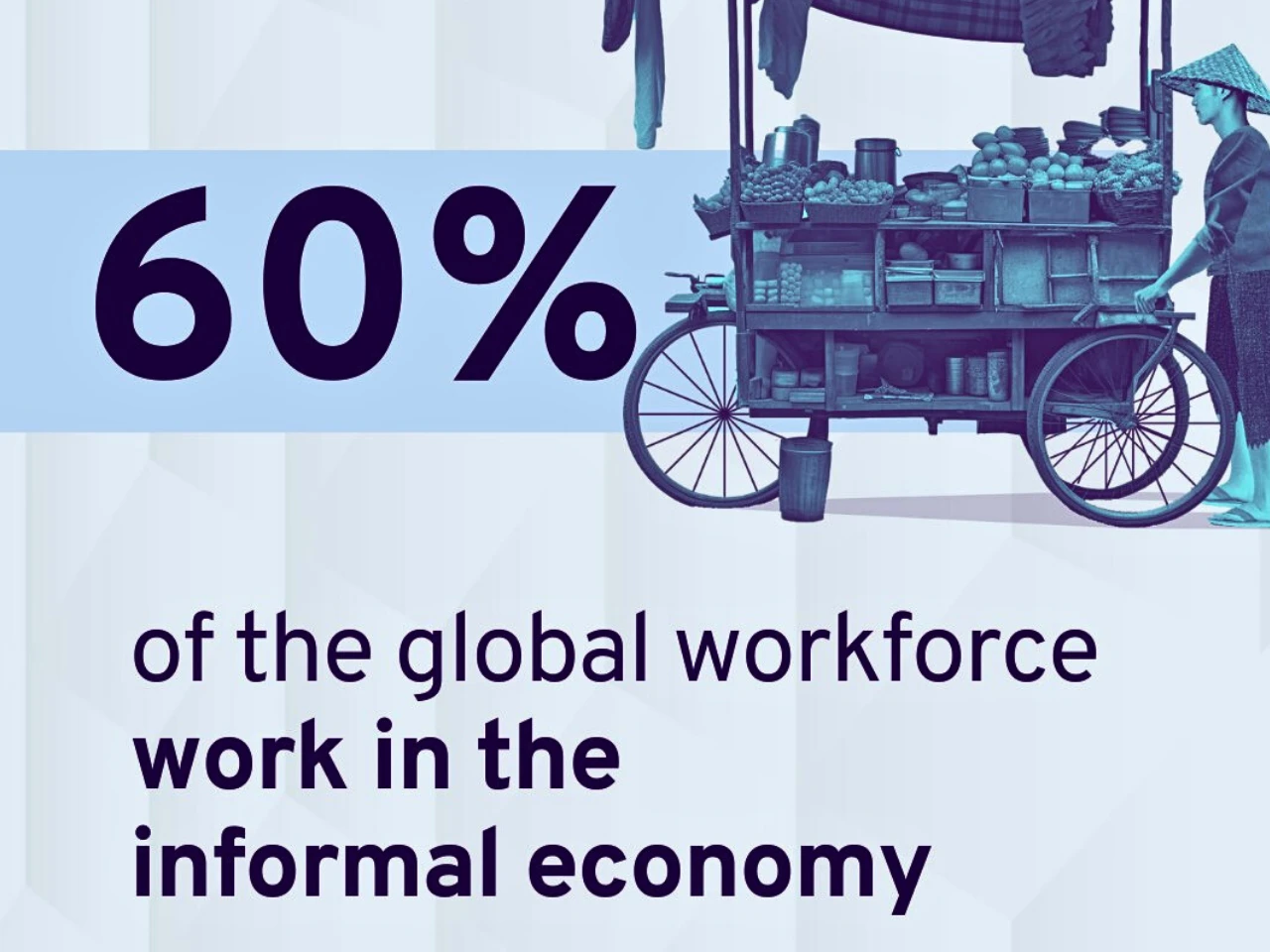
Global Labor Market in Crisis: 2.1 Billion Workers in Informal Employment, 284 Million in Extreme Poverty

A critical factor during these trends is the slowdown in the structural transformation of economies around the globe. The transfer of workers from low-productivity sectors to higher-productivity and formal employment opportunities has weakened over the last twenty years, leading to a lack of growth in productivity and wage employment opportunities for workers, particularly in developing countries. Worker populations in developed countries continue to decrease due to a combination of a lack of available jobs for these workers (as workers age) and a lower rate of job creation within developed countries than in prior (younger) generations of employees.

Global Economy Remains Resilient Amid Uncertainty: IMF's 2026 Outlook
Explained ·Mar 20, 2026

Global Economy Remains Resilient Amid Uncertainty: IMF's 2026 Outlook

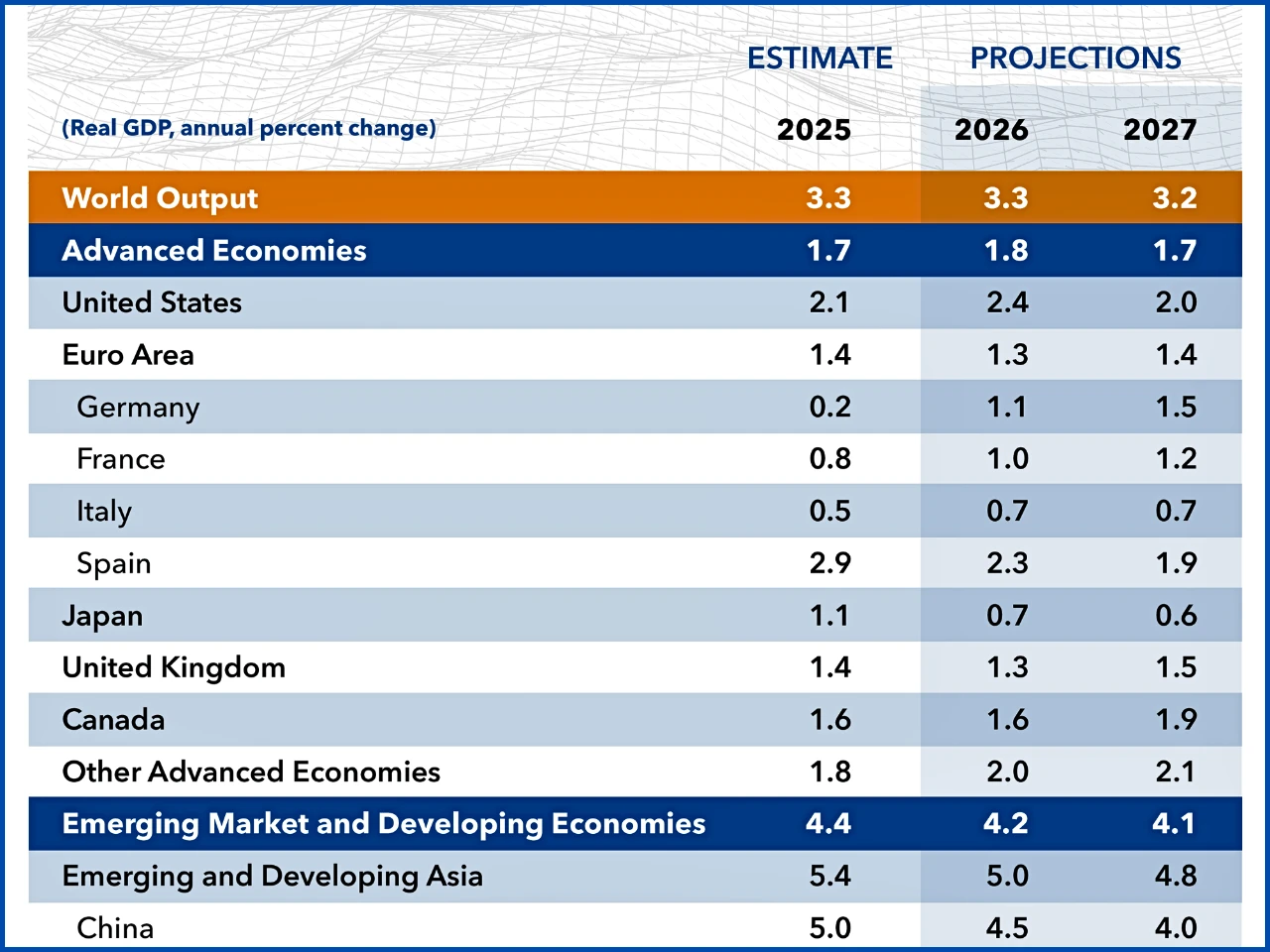
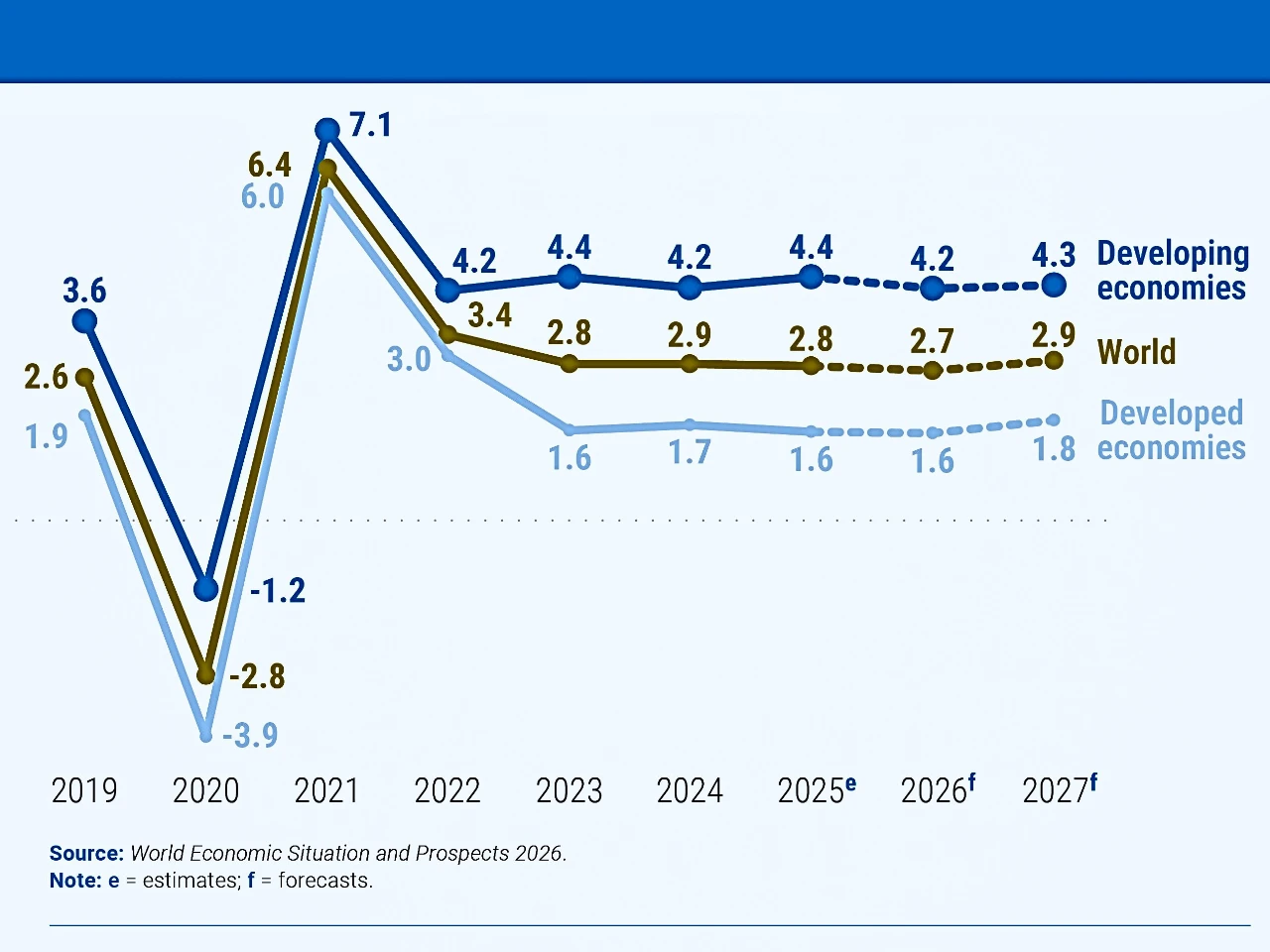
The World Economic Outlook (WEO) Update, January 2026, produced by the International Monetary Fund, offers a very careful projection of the economy. Global growth has been quite resilient despite increased geopolitical uncertainty, changing trade policies, and structural issues in the key economies. Such stability is supported, however, by a small range of drivers, especially the investment related to technology, such that the picture is susceptible to shocks. International Expansion Prospective: Stability with Bolstered Weakness. The IMF predicts that world economic growth will continue to be stable at 3.3 and 3.2 percent in 2026 and 2027, respectively, which is in close relation to the expected global economic growth in 2025.

The Revival of Industrial Policy: A New Era of Government Intervention in the Economy
Explained ·Mar 19, 2026

The Revival of Industrial Policy: A New Era of Government Intervention in the Economy

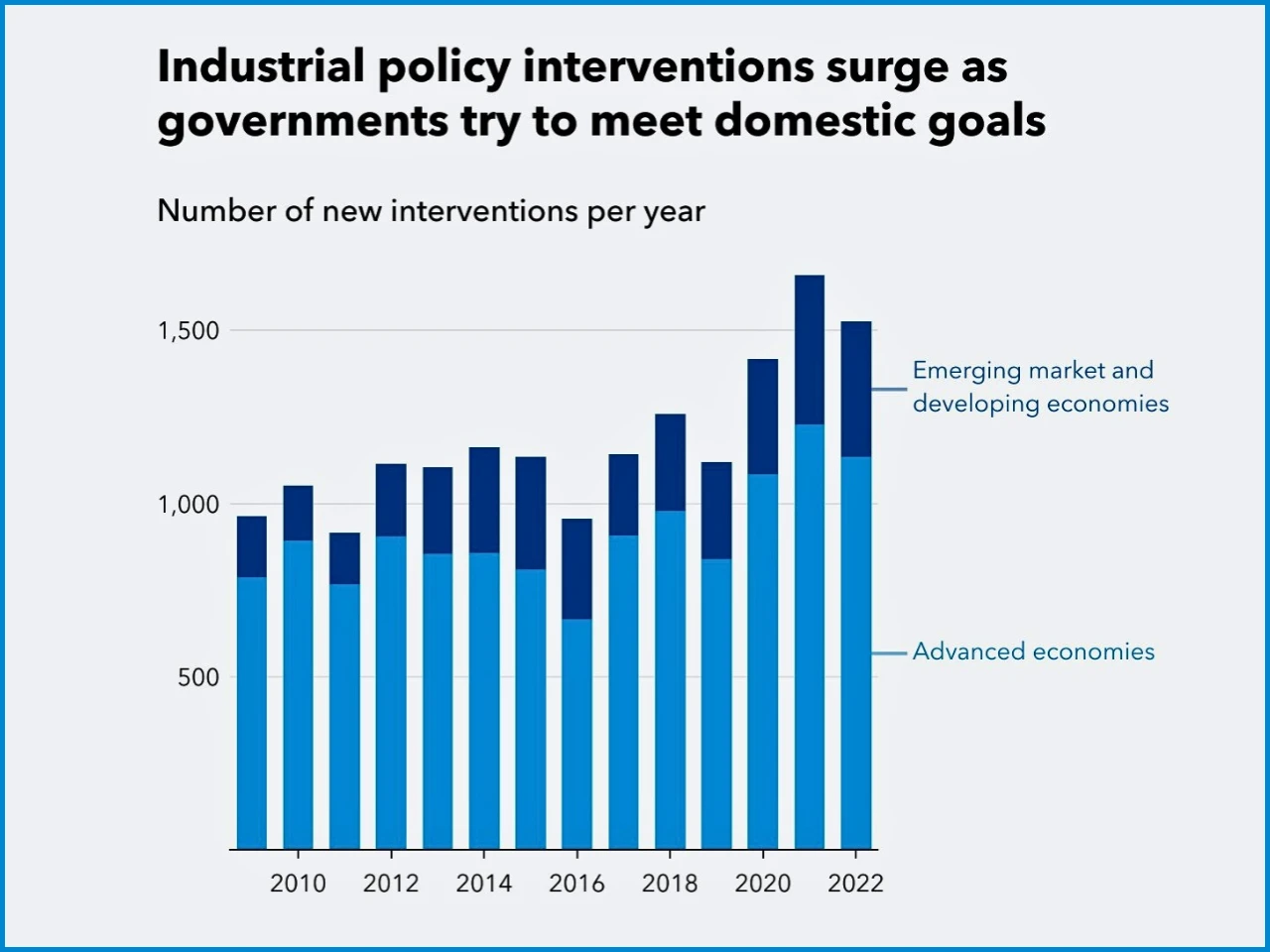
Governments are also becoming increasingly involved in helping certain companies and industries to achieve domestic goals like productivity increase, supply chain sustainability, strategic independence, and job security. According to the statistics of the Global Trade Alert (GTA), summarized in the World Economic Outlook (WEO) of the International Monetary Fund (IMF), there is an increase in new interventions in industrial policies, which starts to grow significantly after 2018 and has reached its apogee around the pandemic. There has been a significant increase in the number of measures of industrial policies in the world.

Foreign Direct Investment in Emerging Markets: Trends, Challenges, and Opportunities
Explained ·Mar 18, 2026

Foreign Direct Investment in Emerging Markets: Trends, Challenges, and Opportunities

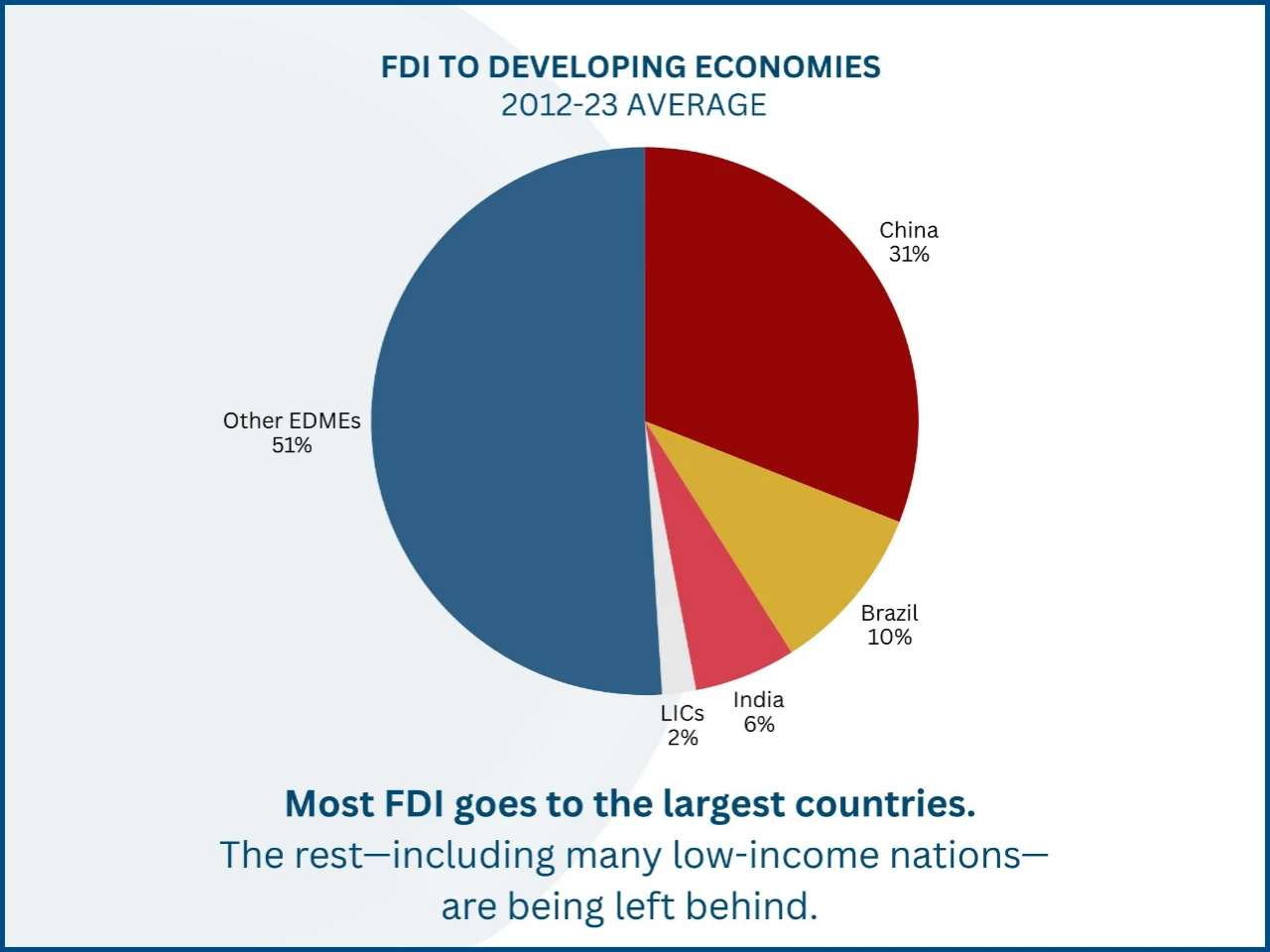
In absolute terms, the amount of foreign direct investment into EMDEs declined by $435 billion to approximately $435 billion in 2023. In relative terms, the share of foreign direct investment of EMDE of total gross domestic product declined by approximately 2%. This decreasing trend appears to be affecting the majority (approximately 60%) of EMDEs, including the four largest EMDE regions (Central and Eastern Europe, Africa, and the Middle East), and is expected to continue to decline.

Developing Countries Face Debt Crisis: A Call for Concerted International Action
Explained ·Mar 17, 2026

Developing Countries Face Debt Crisis: A Call for Concerted International Action

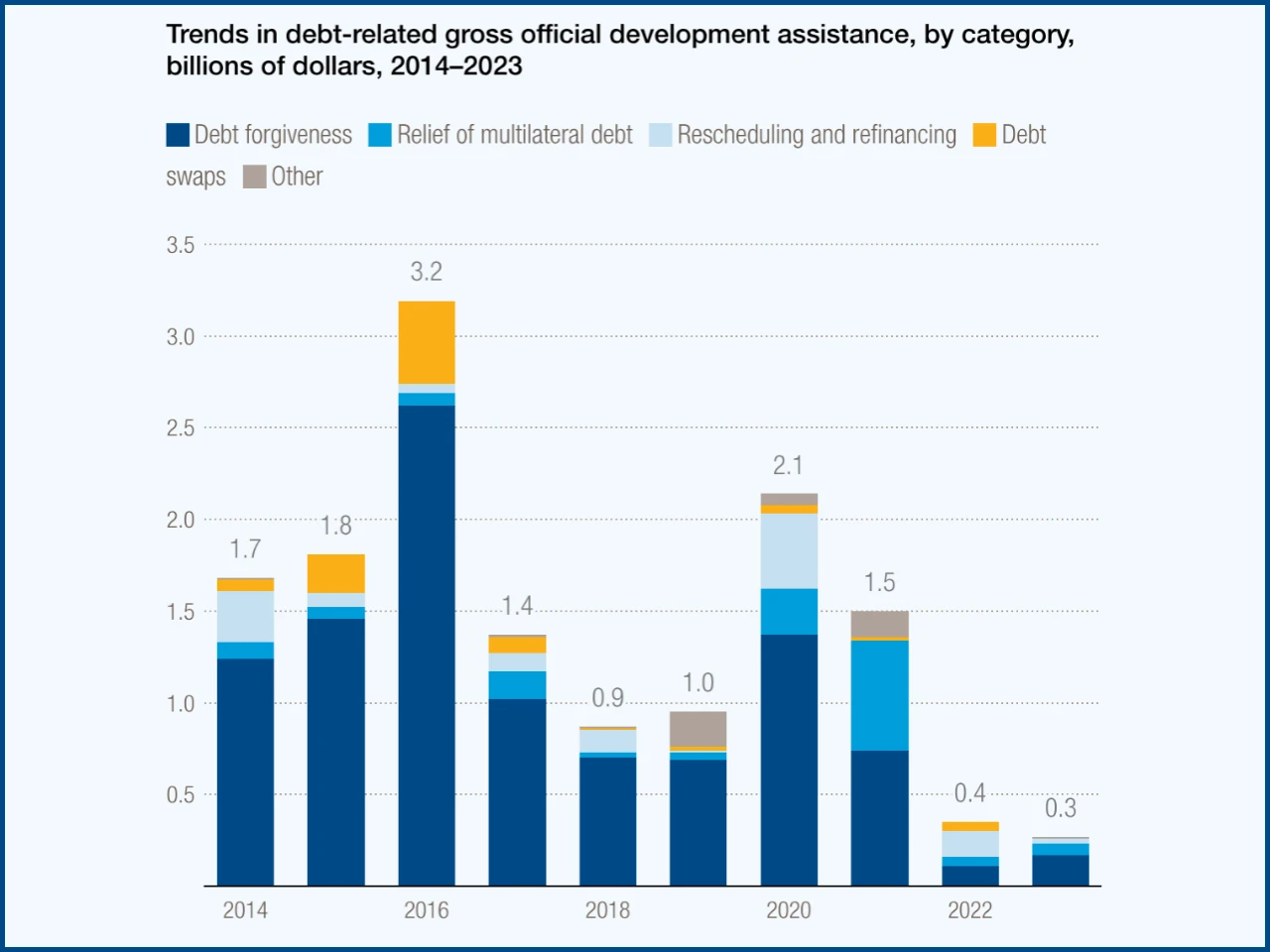
The developing countries went into 2025 with a heavy burden on their economies occasioned by a conglomeration of global and local challenges. Significant changes in the international policy, increasing geopolitical tensions, a tightening of international financial resources, and a severe decrease in the official development assistance (ODA) have all played to the disadvantage of export performance, reduced fiscal space, and lowered growth opportunities.In 2024, the level of total external debt in the developing countries grew by 2.6 percent and reached USD 11.7 trillion.

Trump Calls on Congress to Enact ‘Great Healthcare Plan’ as Administration Advances School Nutrition Reform
Explained ·Mar 16, 2026

Trump Calls on Congress to Enact ‘Great Healthcare Plan’ as Administration Advances School Nutrition Reform

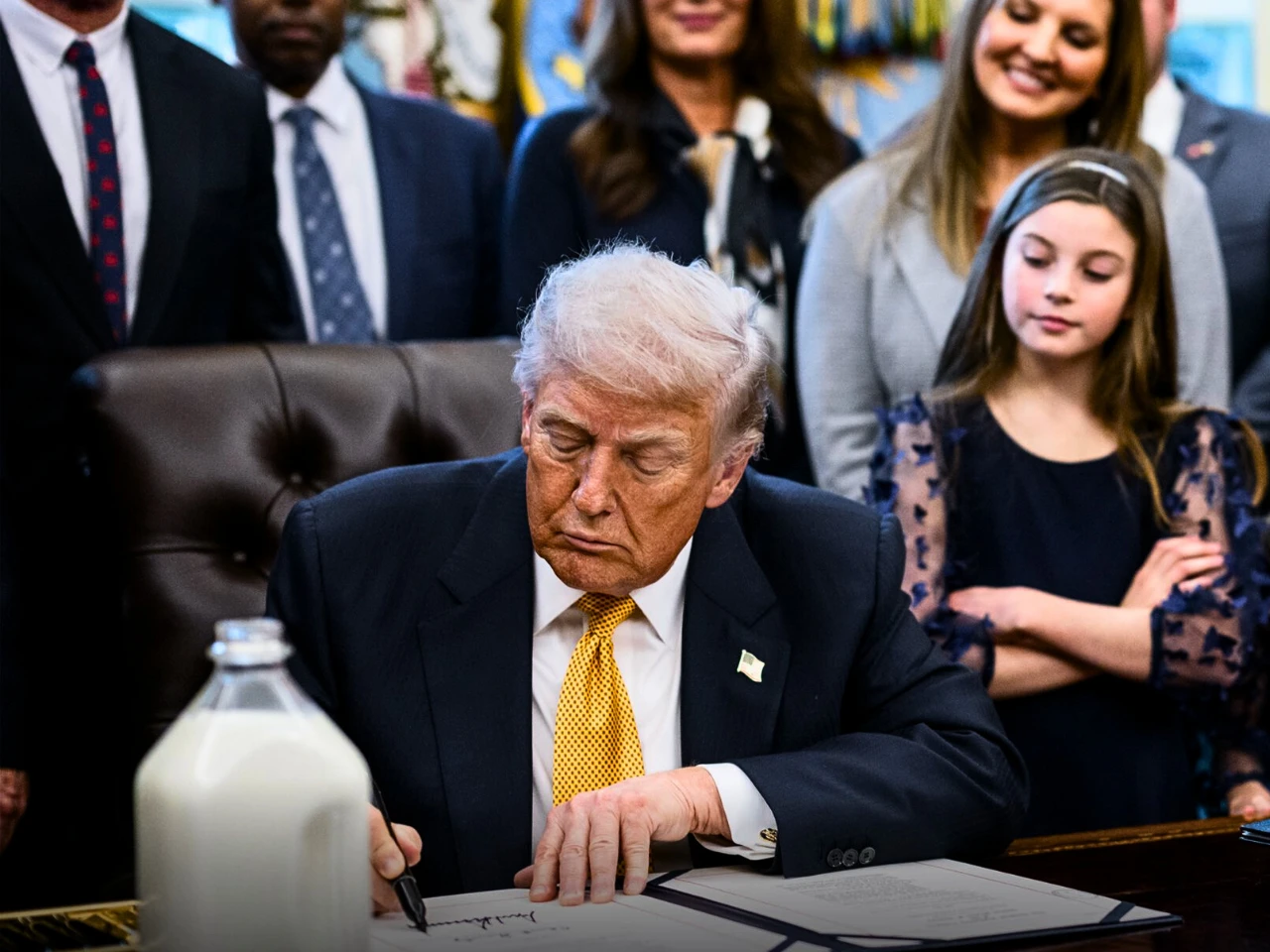
The U.S. Congress to enact proposed plans for healthcare reform, which include lowering costs for medications and health insurance premium rates, establishing greater accountability by large insurance companies, and creating a more transparent pricing system for healthcare services. The Whole Milk for Healthy Kids Act of 2025, signed into law by President Trump, is a huge shift in federal school nutrition policy and is part of healthcare reform.

The image represent the 2025 noble prize winners
Explained ·Mar 14, 2026

Nobel Economics Prize 2025: Unlocking Innovation-Driven Growth

The Royal Swedish Academy of Sciences honoured the Nobel prize in economic sciences for the Nobel laureate Joel Mokyr, Philippe Aghion, and Peter Howitt. The award acknowledges their compelling works in elucidating the way innovation becomes the genesis of sustained economic growth.

The image represent the hidden debt problem to the nations
Explained ·Mar 13, 2026

Debt Transparency: A Crucial Step Towards Sustainable Development Finance

Debt transparency is essential for the assurance and monitoring of debt sustainability. In recent years, some borrowing countries have obtained full access to markets with credible creditworthiness, only to later reveal hidden debts, leading to deep economic crises. Judgments about debt sustainability can only be made with timely and comprehensive reporting of debts and transactions.