LATEST

Explained

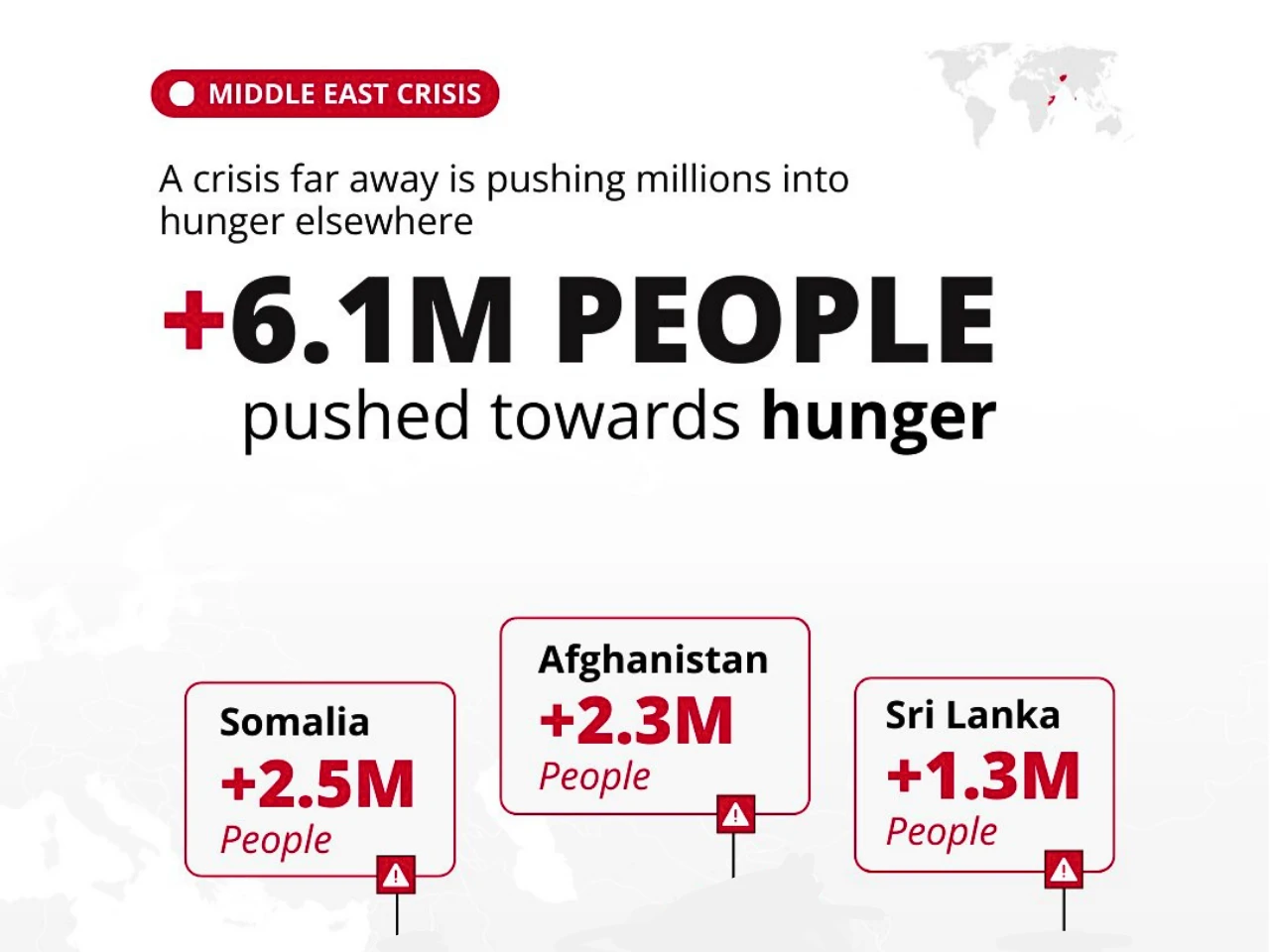
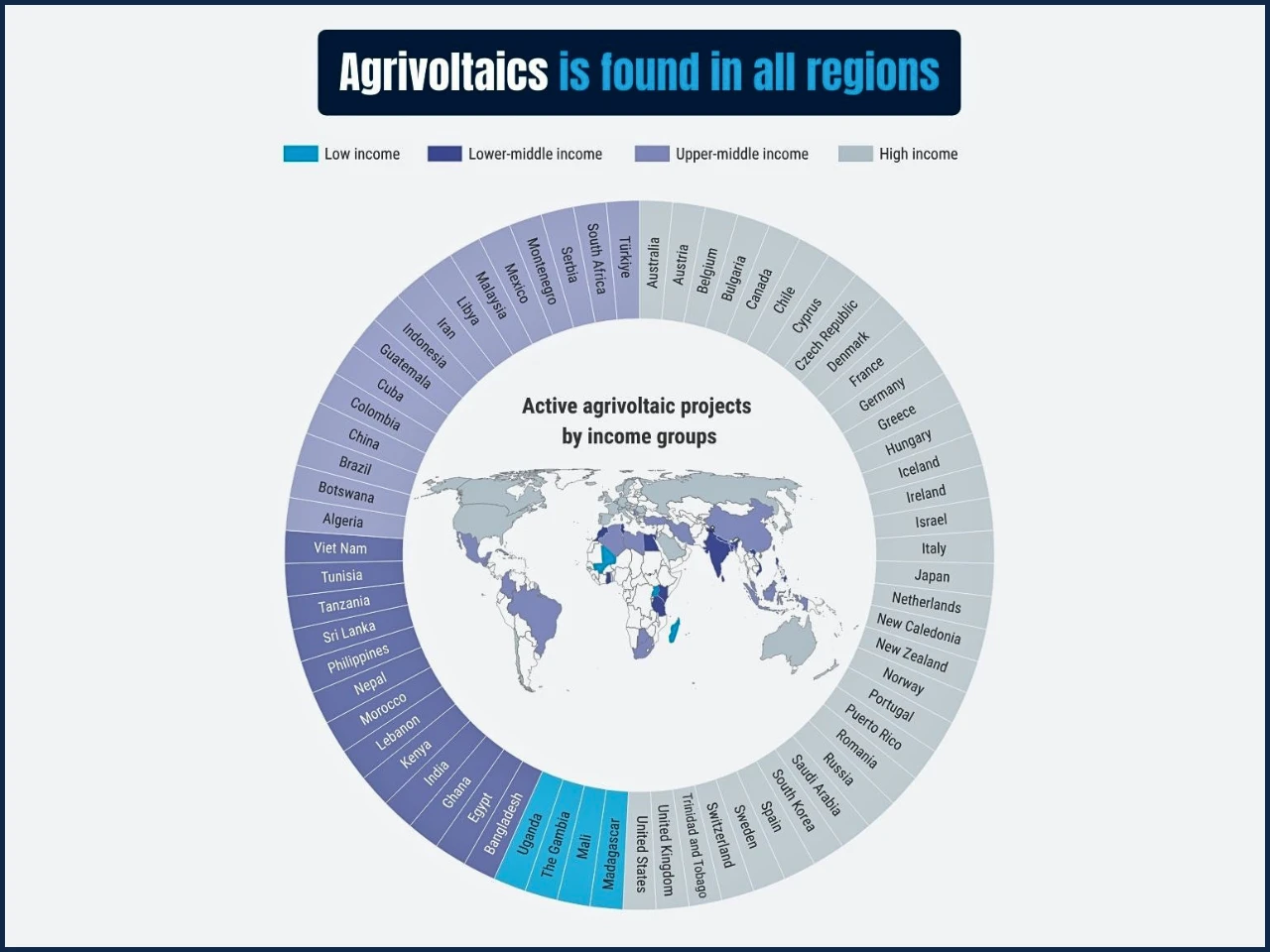
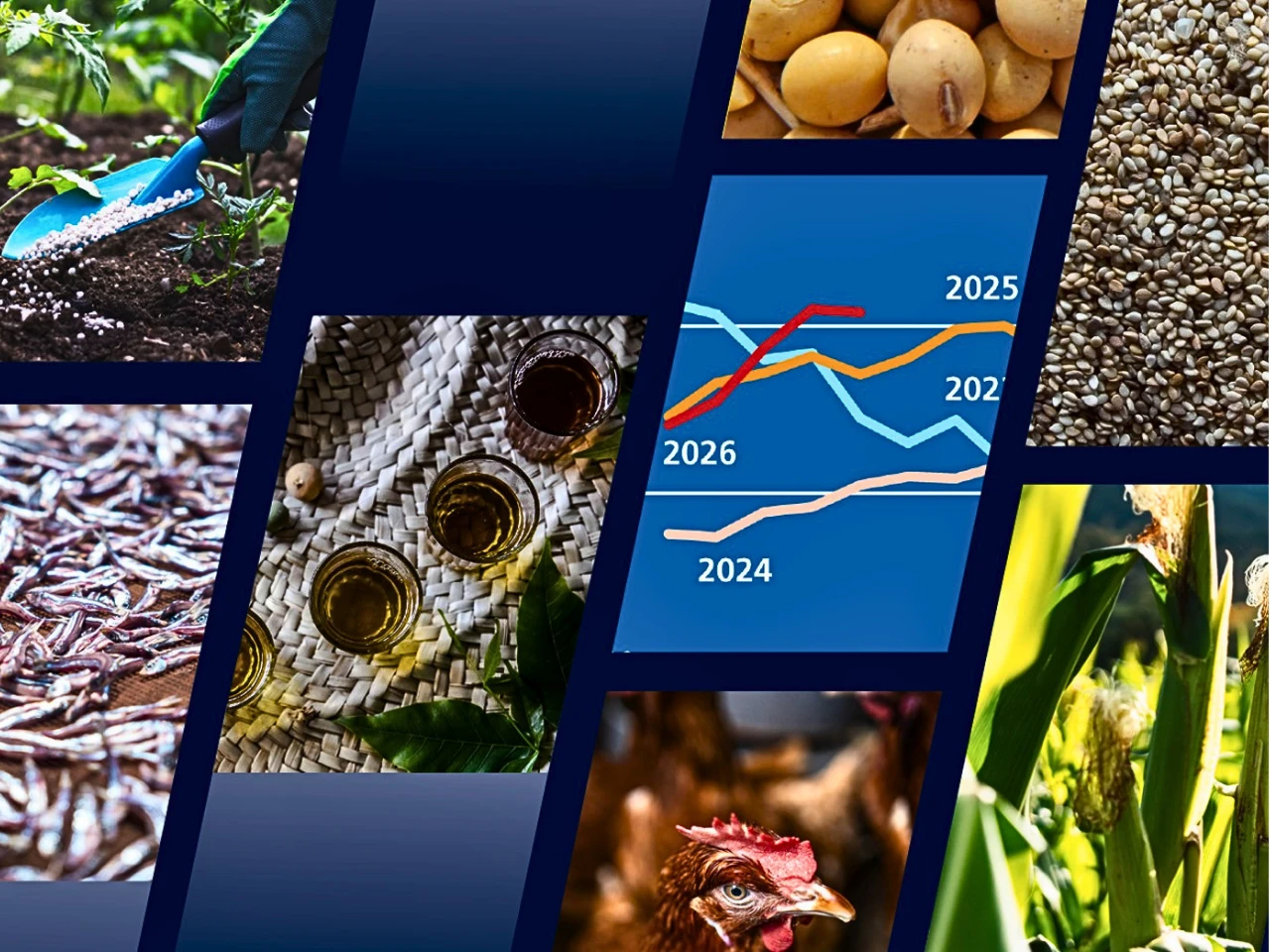
The image represent the FoodImportBillHits-CerealOutputDrops-ElNino-EnergyRisks
Explained ·Jun 28, 2026 ·4 min read

Cereals Dip 2% But Food Import Bill Hits $2.22 Trillion Record as Coffee, Cocoa Drive 7.9% Jump; Wheat Falls 3.8%, Soybeans Hit 432.3M Tons

FAO Food Outlook 2026 forecasts global cereal output to decrease 2% to 2.98 billion tonnes, buffered by carryover stocks, while demand rises 1%. Wheat falls 3.8% to 811 million tons and coarse grains drop 1.2%, but soybeans hit record 432.3 million tons. World food import bill rose 7.9% to record US$2.22 trillion in 2025, driven by coffee, cocoa, and fish as high-income countries saw 9.3% jump.

Read article
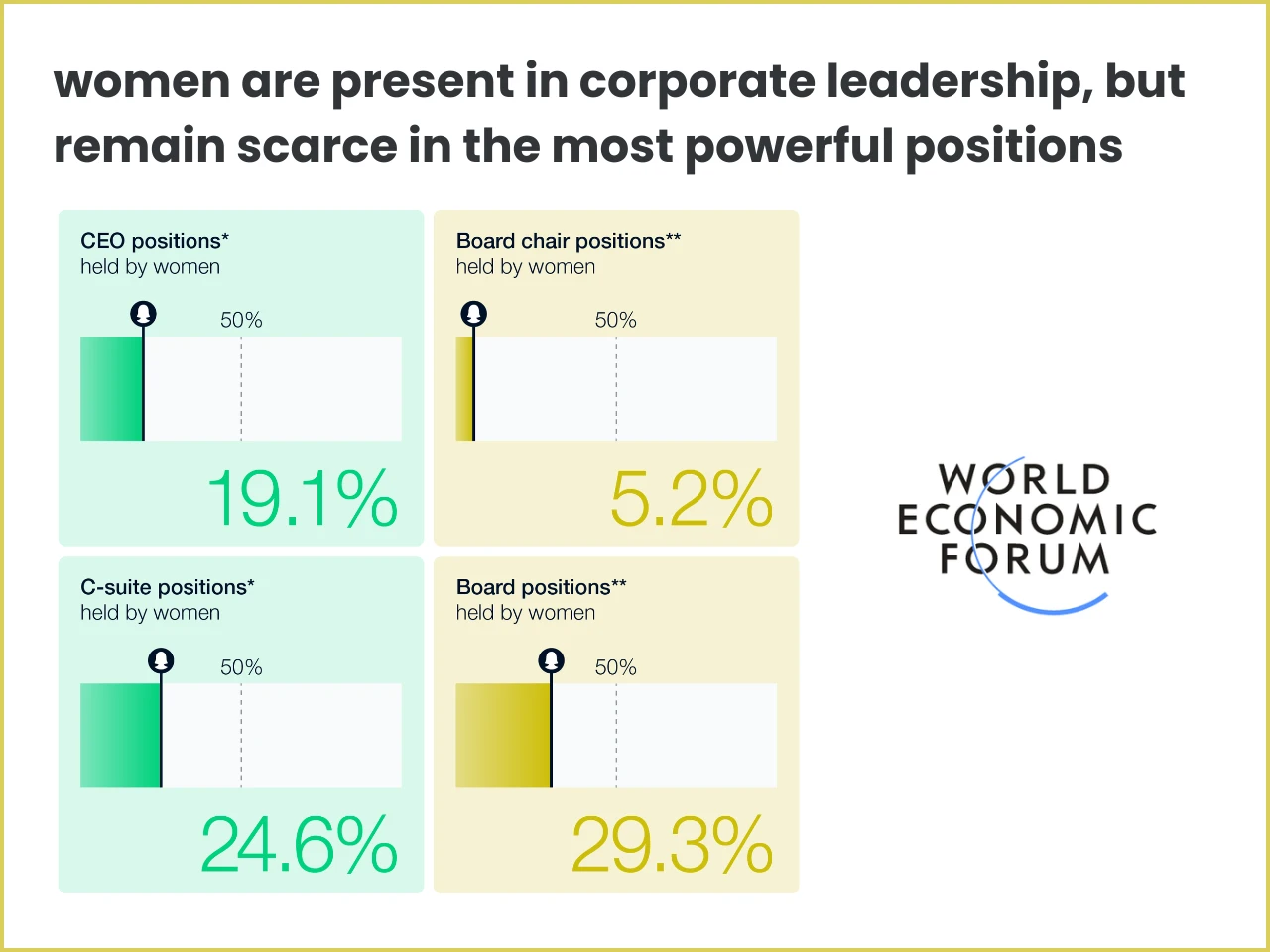
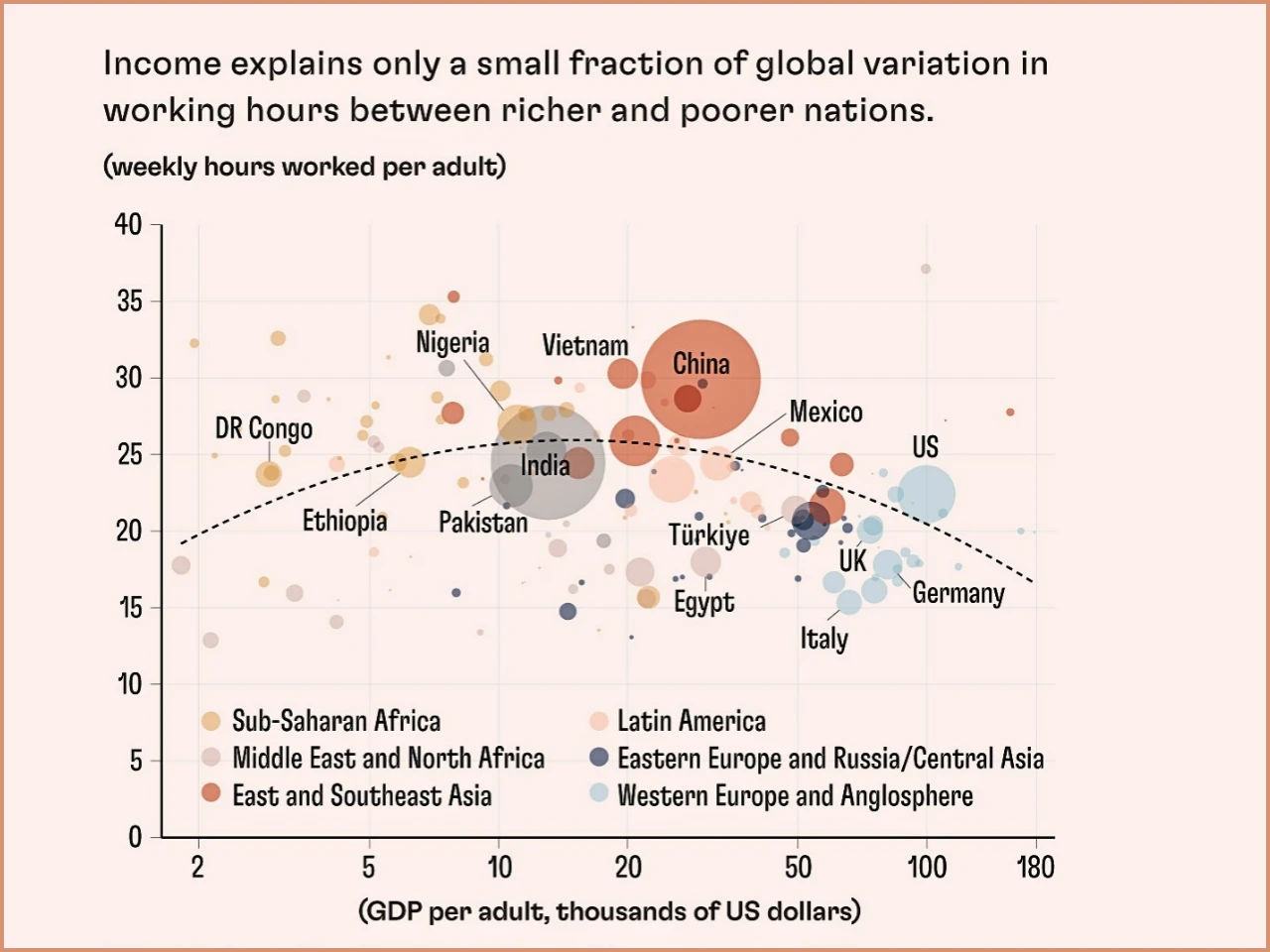
The graph represent work and wealth data over the world
Explained ·Jun 18, 2026

Keynes Predicted 15-Hour Workweeks. Reality: 43 Hours. New 160-Country Study Debunks the Prosperity-Less Work Myth

A massive 160-country study by Amory Gethin and Emmanuel Saez finds no evidence that longer working hours mean higher prosperity. 59% of adults 15+ work 43 hours/week, men do two-thirds of world work hours vs women’s one-third, and policy decisions on education, retirement, labor law drive work patterns more than income or market forces. Keynes’ 15-hour prediction remains unmet.

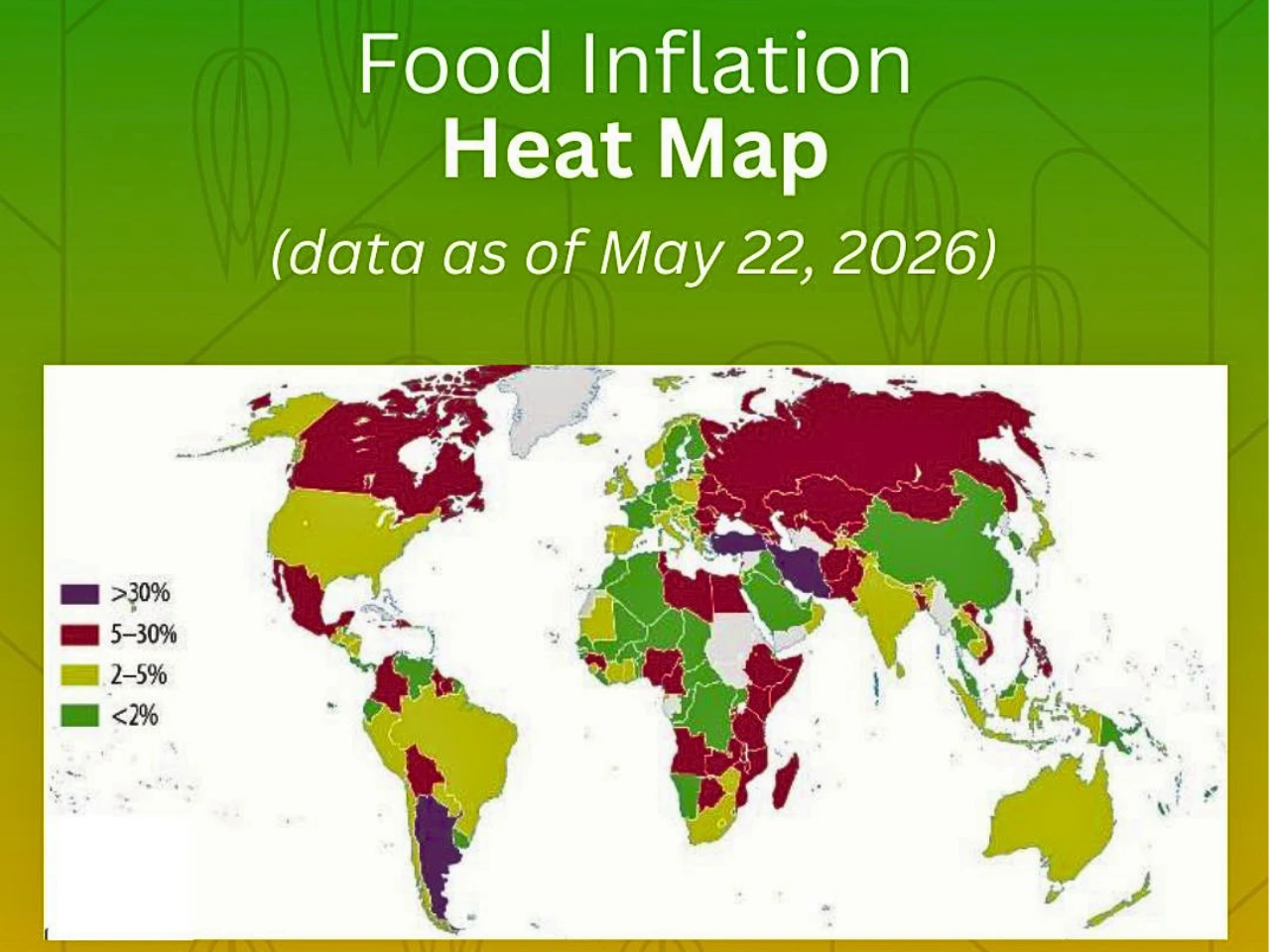
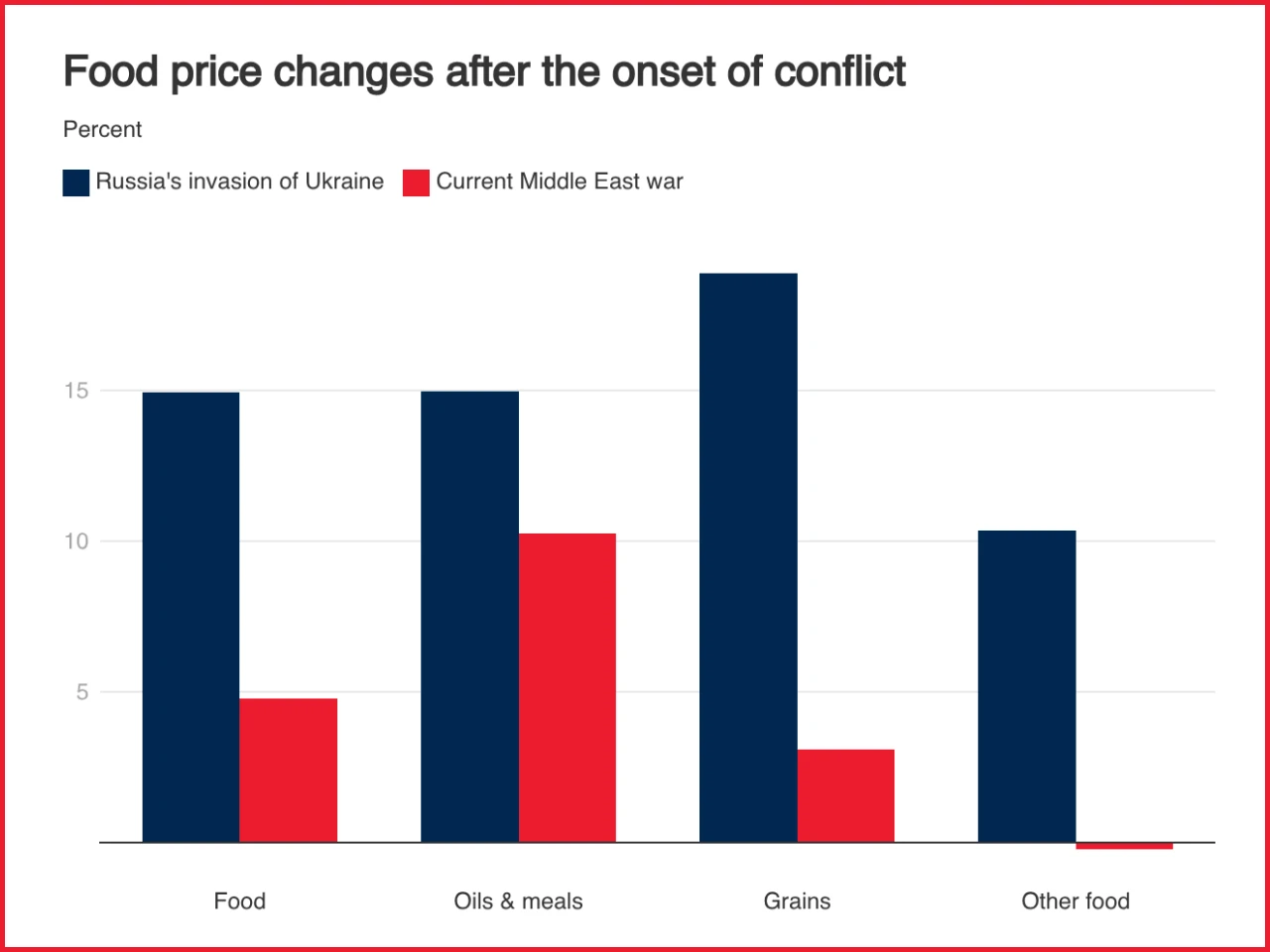
The image represent FoodInflation UreaPriceJump FoodSecuritySystem
Explained ·Jun 16, 2026

Urea Prices Jump 46% Month-on-Month as Strait of Hormuz Disruptions Push World Bank to Warn Food Security System at ‘Breaking Point’ in May 2026

The World Bank’s May 2026 report describes a food and nutrition security system at a breaking point. Urea prices jumped 46% month-on-month due to Strait of Hormuz disruptions, agricultural price indices rose 8%, and fertilizer prices are forecast up 31% in 2026. Wheat is up 19% year-on-year and maize 23% above January 2020.

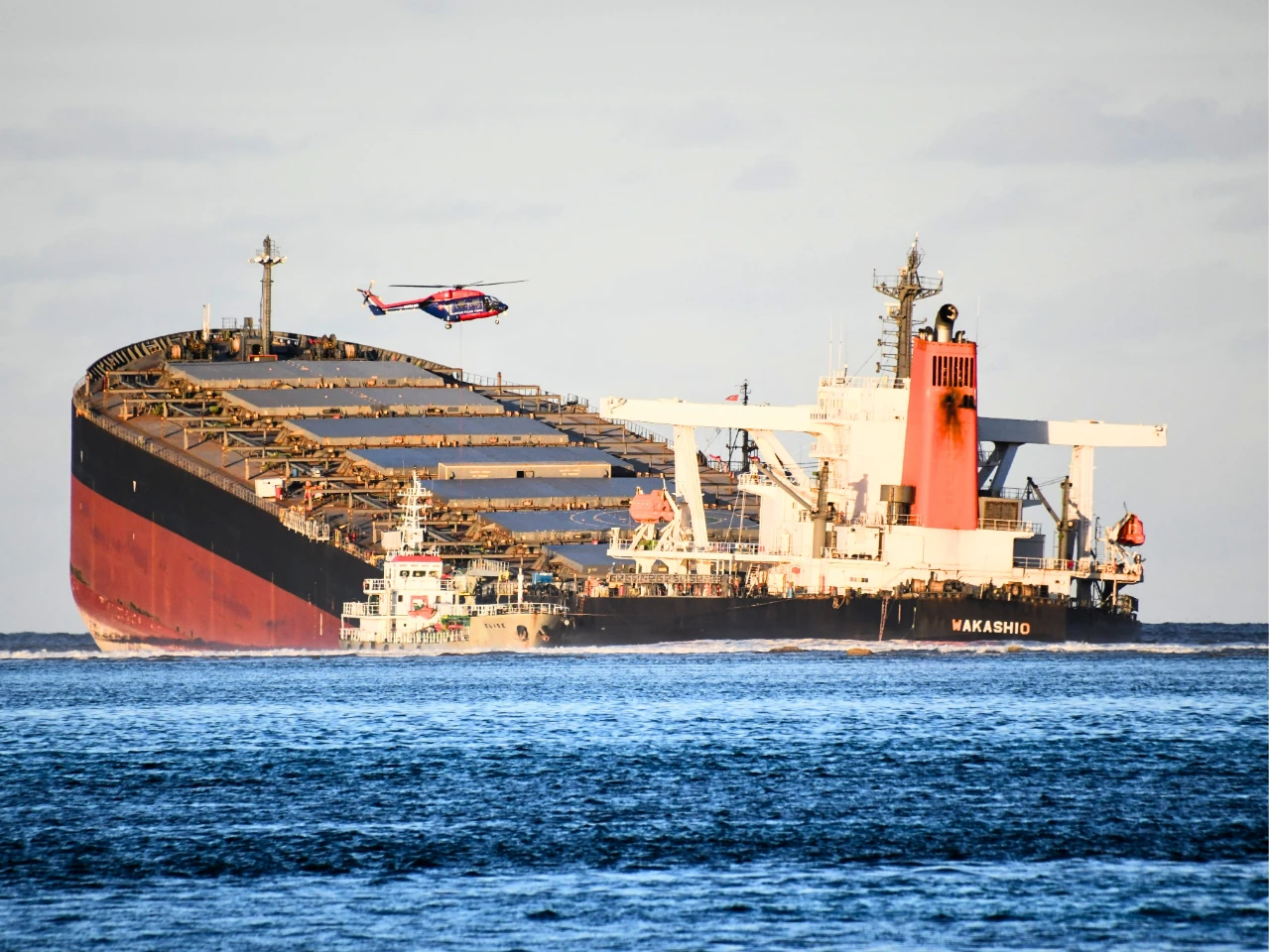
The image represent coral reef restoration mauritius oil spill
Explained ·Jun 11, 2026

Coral Reefs Worth $2.7 Trillion/Year: How 25,500 Restored Corals Are Saving Mauritius’s Fisheries & Tourism

Coral reefs provide $2.7 trillion in ecosystem services yearly yet face collapse by 2050. After MV Wakashio’s 1,000-tonne oil spill destroyed Mauritius reefs, Dr. Nadeem Nazurally’s ecoMode Society used microfragmentation to restore 25,500 corals. With fishers and women farmers, 86,000 sqm became a conservation area, protecting fisheries and tourism livelihoods SIDS depend on.

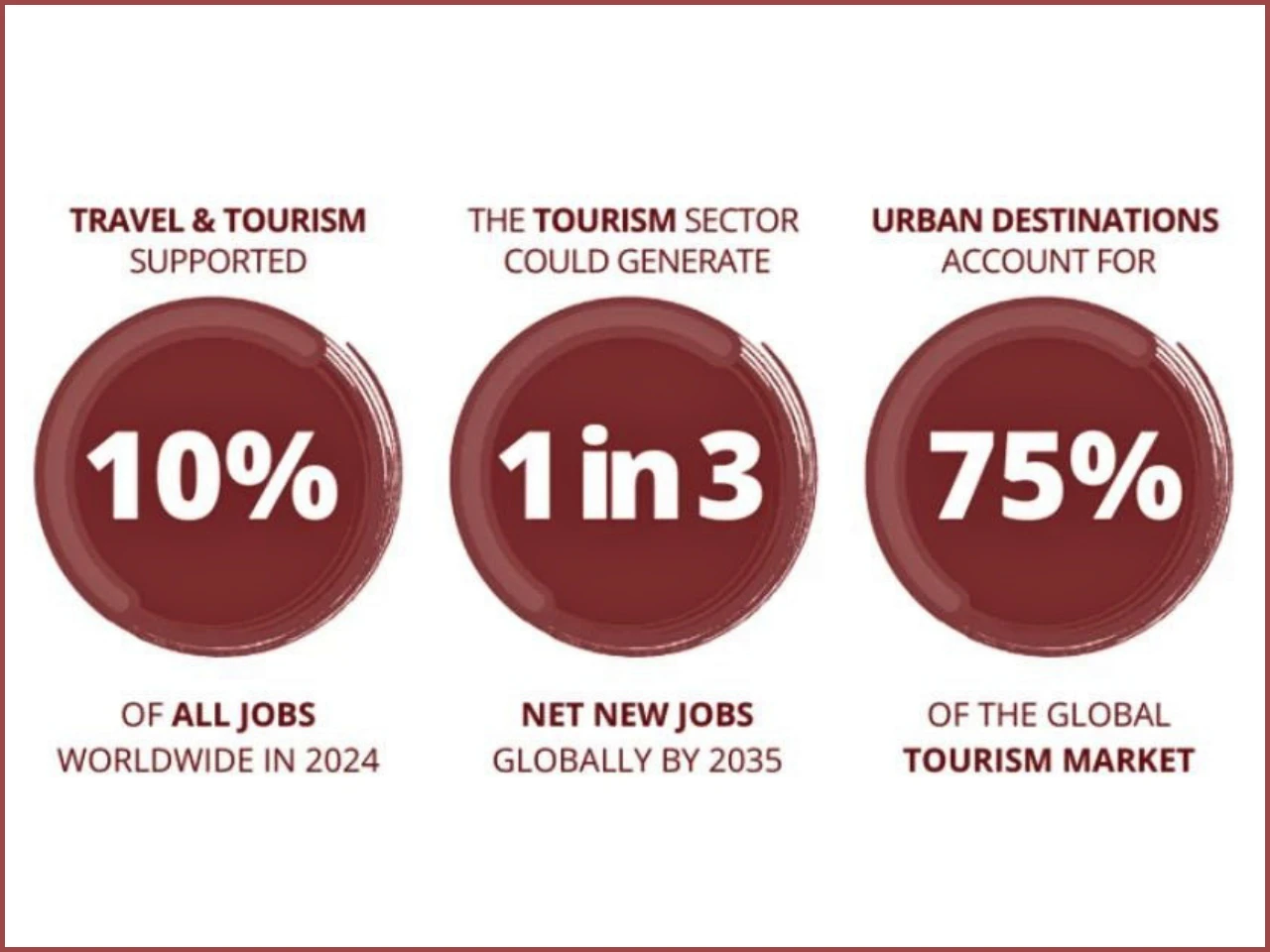
The image represent global job shifting and tech dominant
Explained ·Jun 1, 2026

1.2 Billion Youths, 357 Million Jobs: Can the Global Economy Keep Up

The global economy shows resilience in 2025, with growth forecasts at 2.7%. Key drivers include job creation, tech innovation, infrastructure development, and a focus on sustainable, inclusive growth amidst demographic shifts. In most countries, interest rates started to fall due to the previous tightening of the interest rates that had shut international capital markets' accessibility.

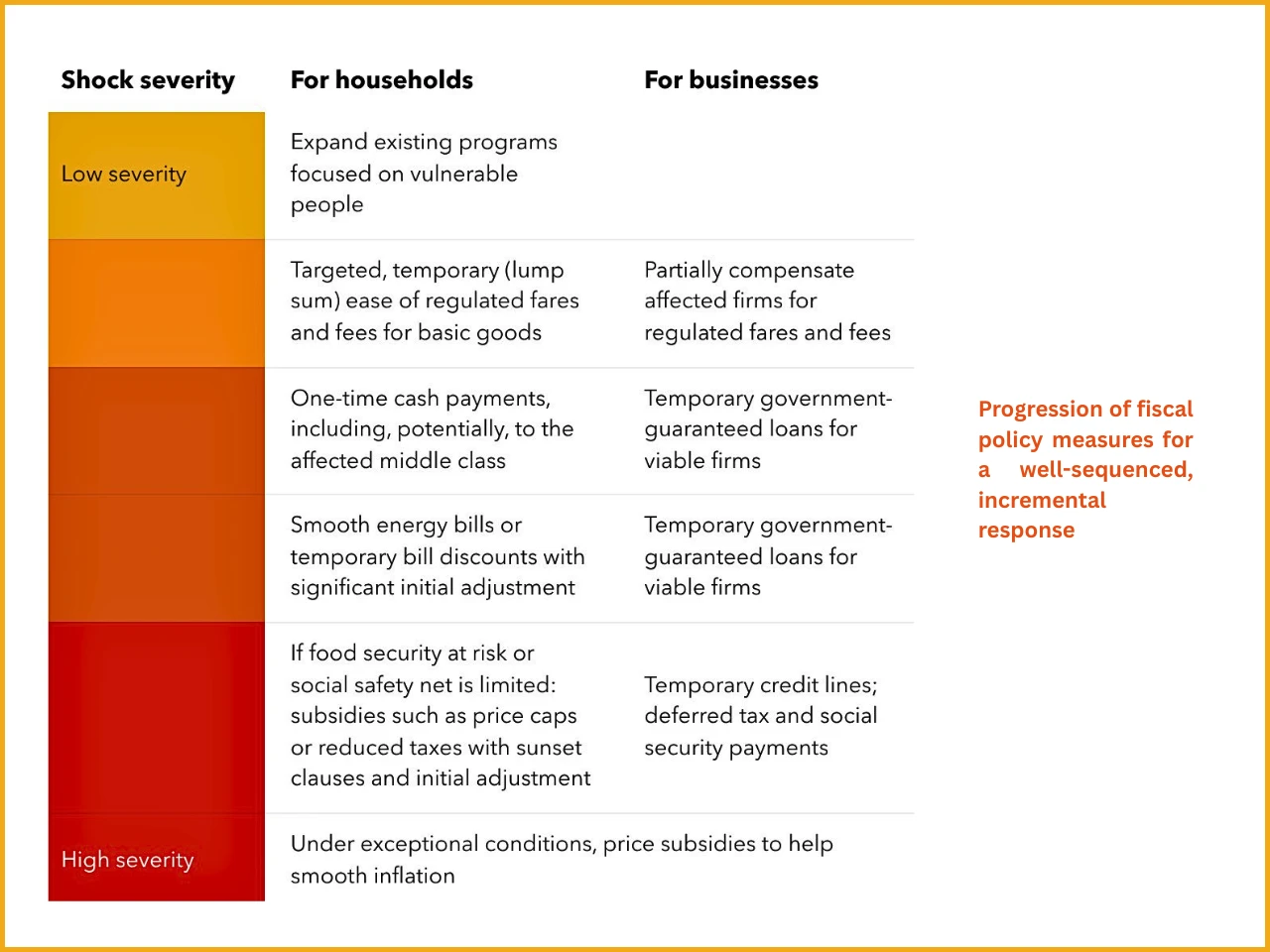
The image represent energy and food price shocks are in way that help vulnerable people and keep business open without further straining public finances
Explained ·May 30, 2026

Subsidies Help the Rich More Than the Poor During Energy & Food Price Spikes

IMF recommends temporary, targeted cash transfers to low-income households instead of broad energy subsidies and price controls. Rising energy and food prices reduce consumer purchasing power and induce inflation. Key principles: let domestic energy prices reflect world markets, provide income transfers, give businesses liquidity not long-term subsidies. Broad subsidies distort markets, raise government debt, and benefit wealthy households more.